
Diaphyseal Tibia Fracture with Deformity
Master complex tibia fracture fixation with minimally invasive technique and 4K vision.










Videos em 4k
Dublagem Profissional
Escolher opções
Descrição
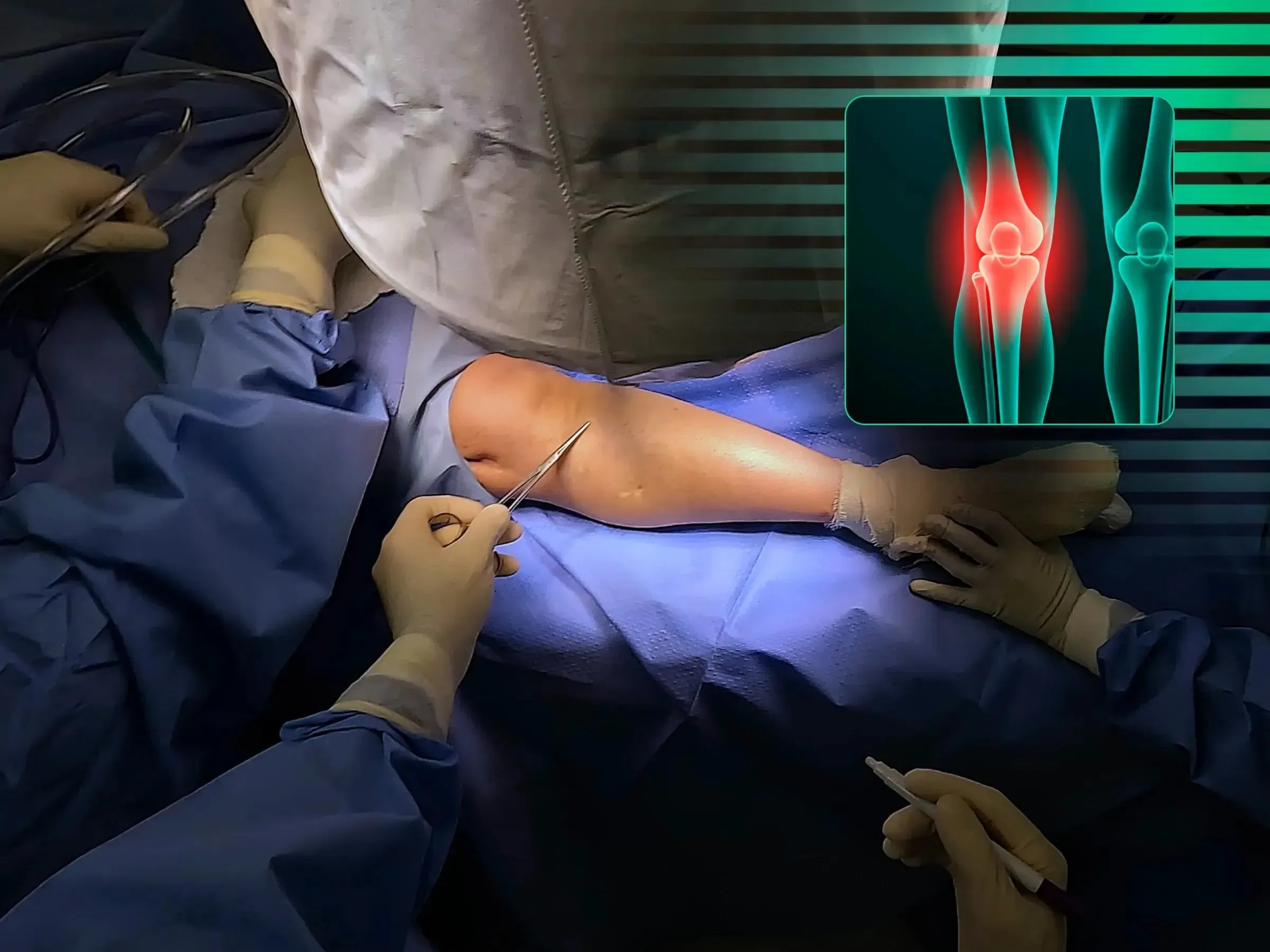
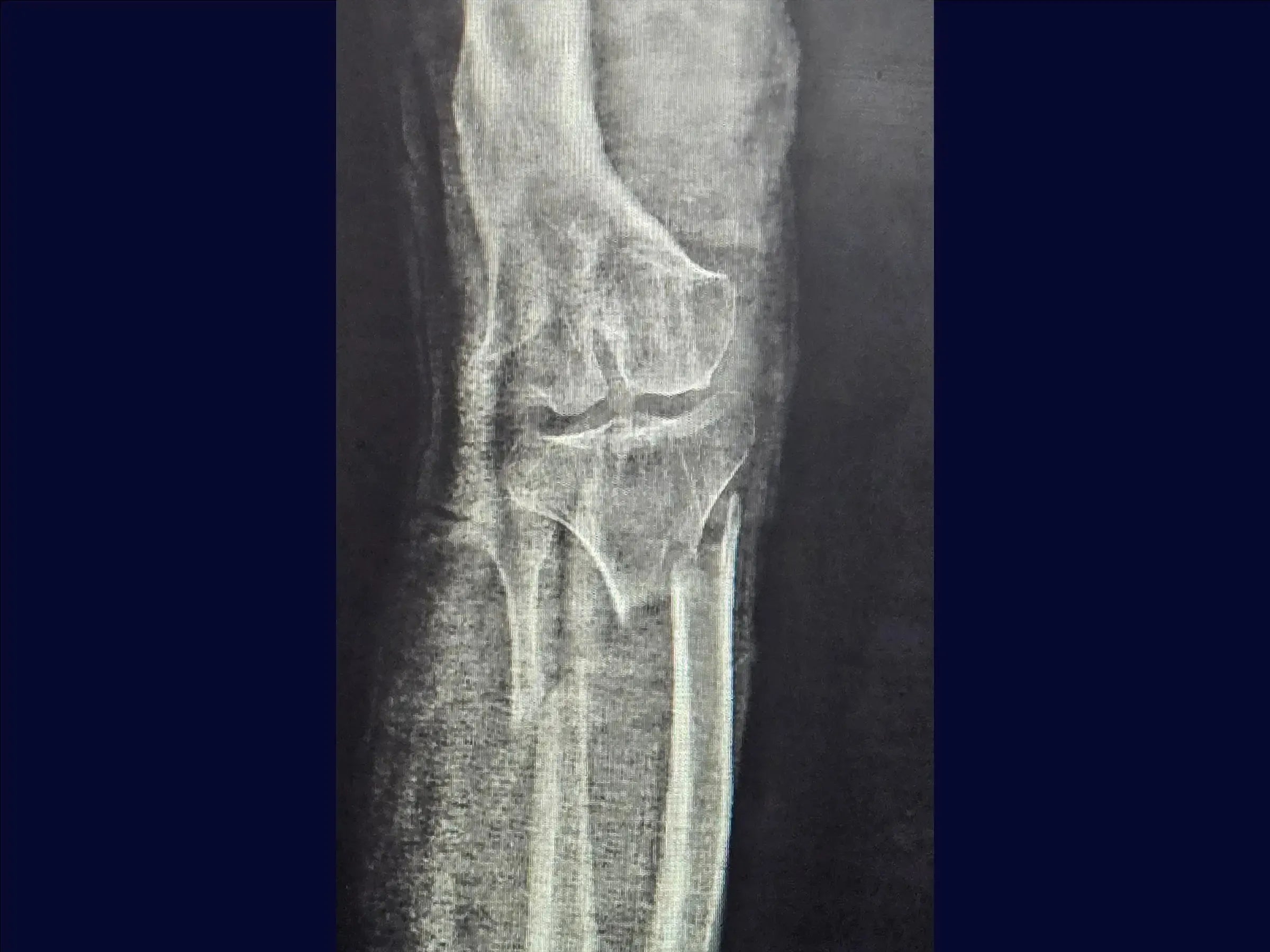
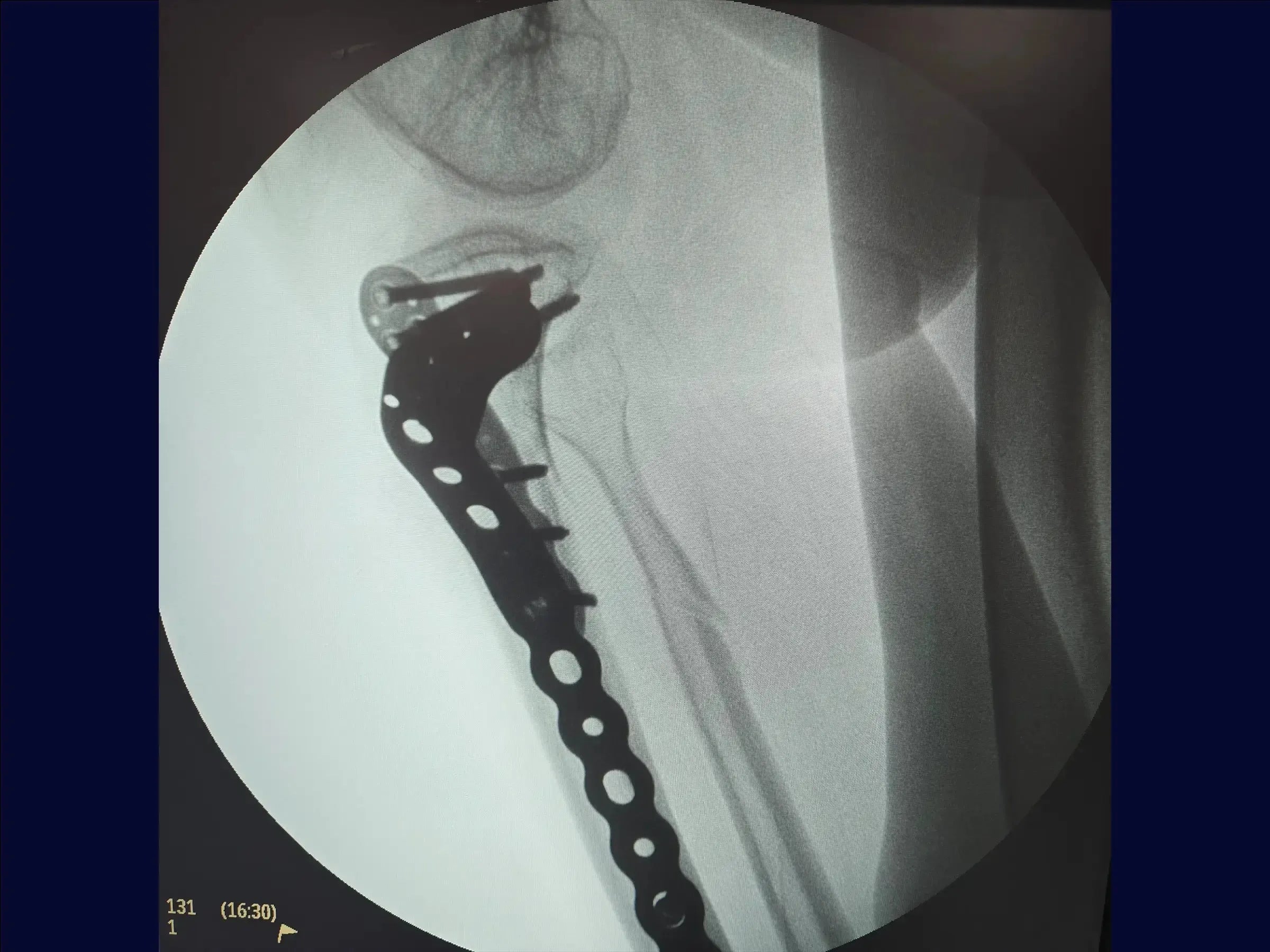
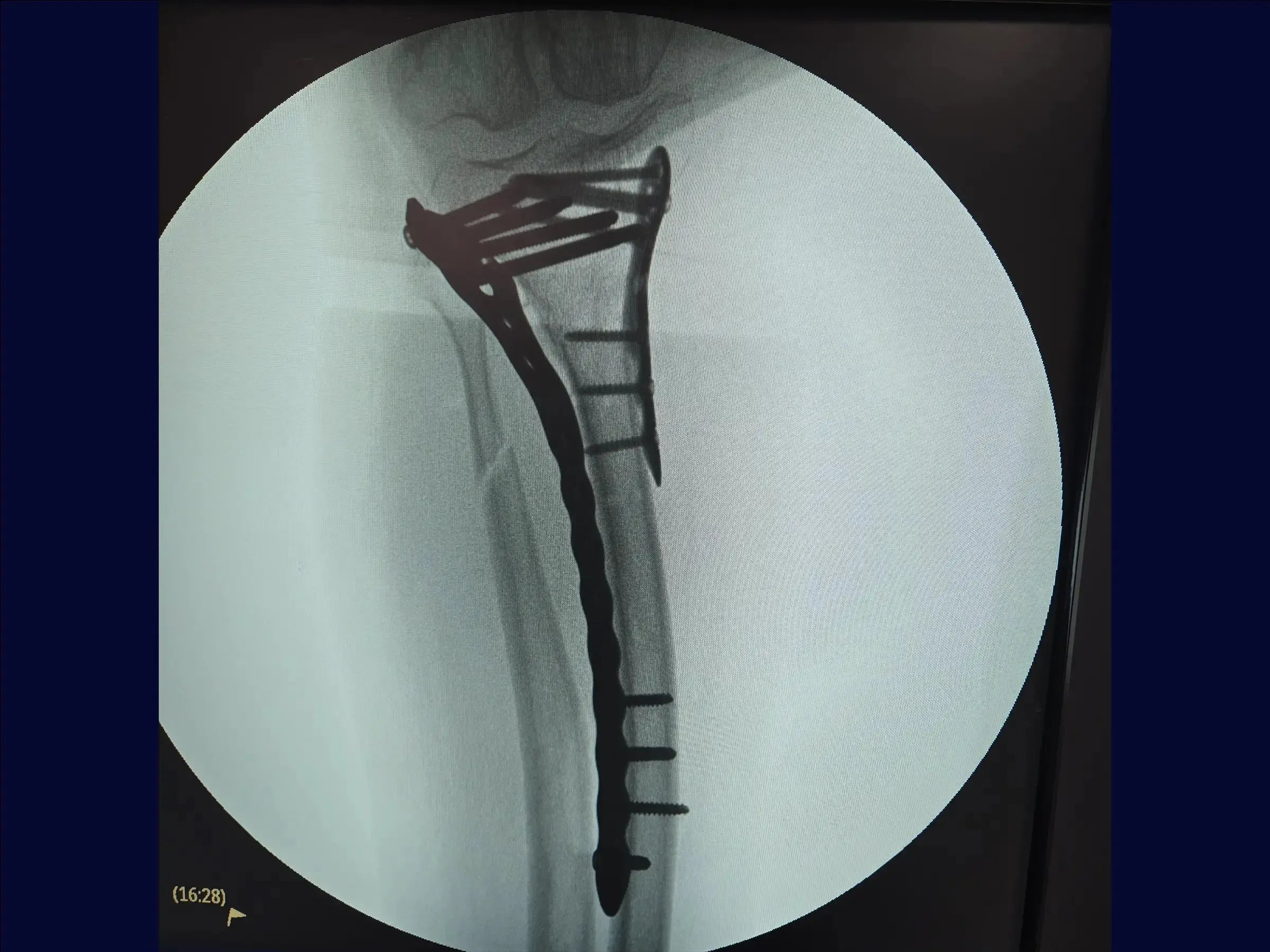
Treating high diaphyseal tibial fractures with pre-existing bone deformity presents a technical challenge due to the instability of the shear fracture pattern and the presence of osteopenic bone.
This training offers a direct solution with two-column fixation (medial and lateral) using pre-contoured plates via a minimally invasive technique, displayed in 4K video from a surgical perspective.
Focus of the Training:
- Pre-operative planning with image intensifier.
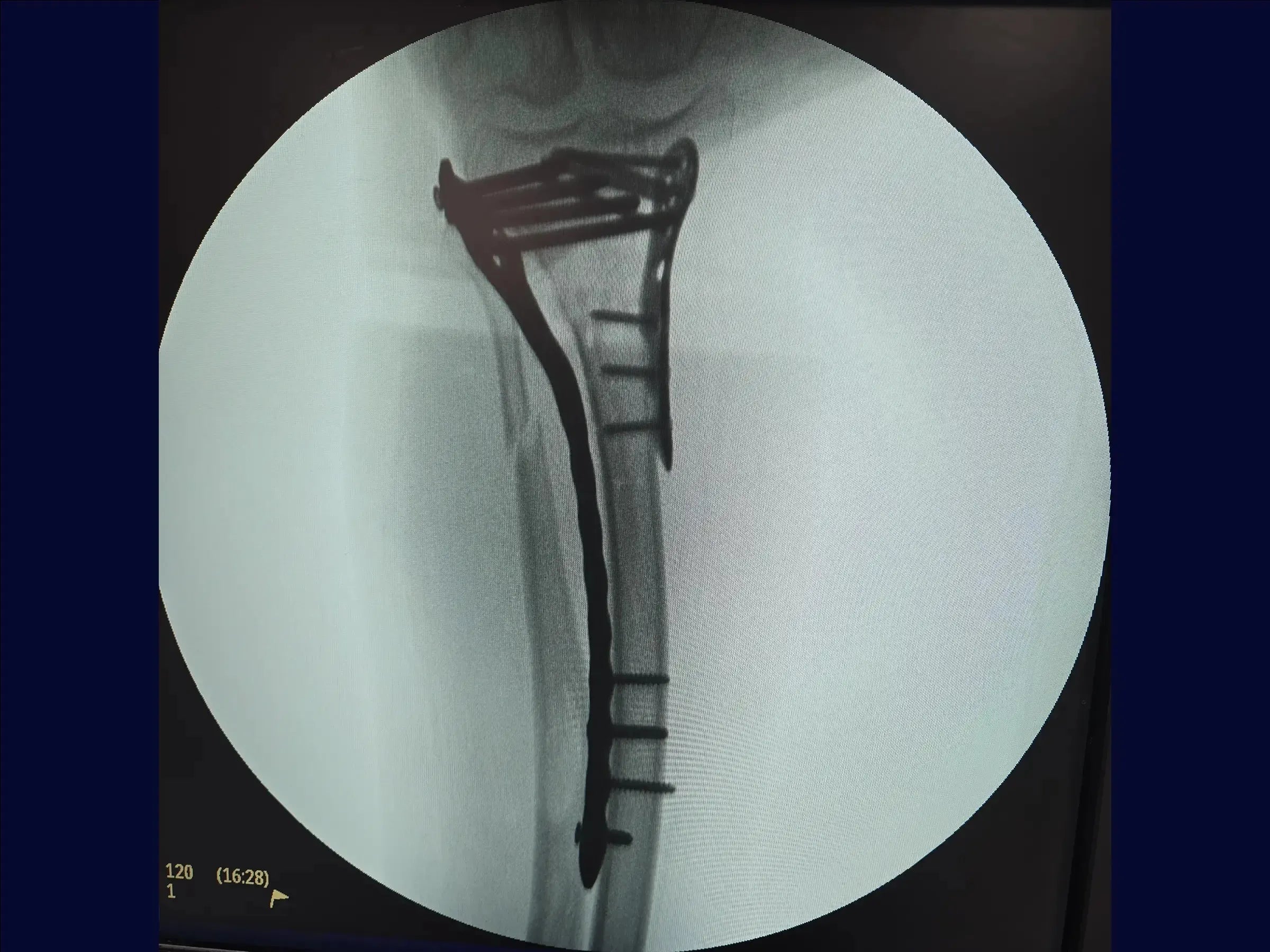
- Anti-shear fixation with an anatomical medial plate.
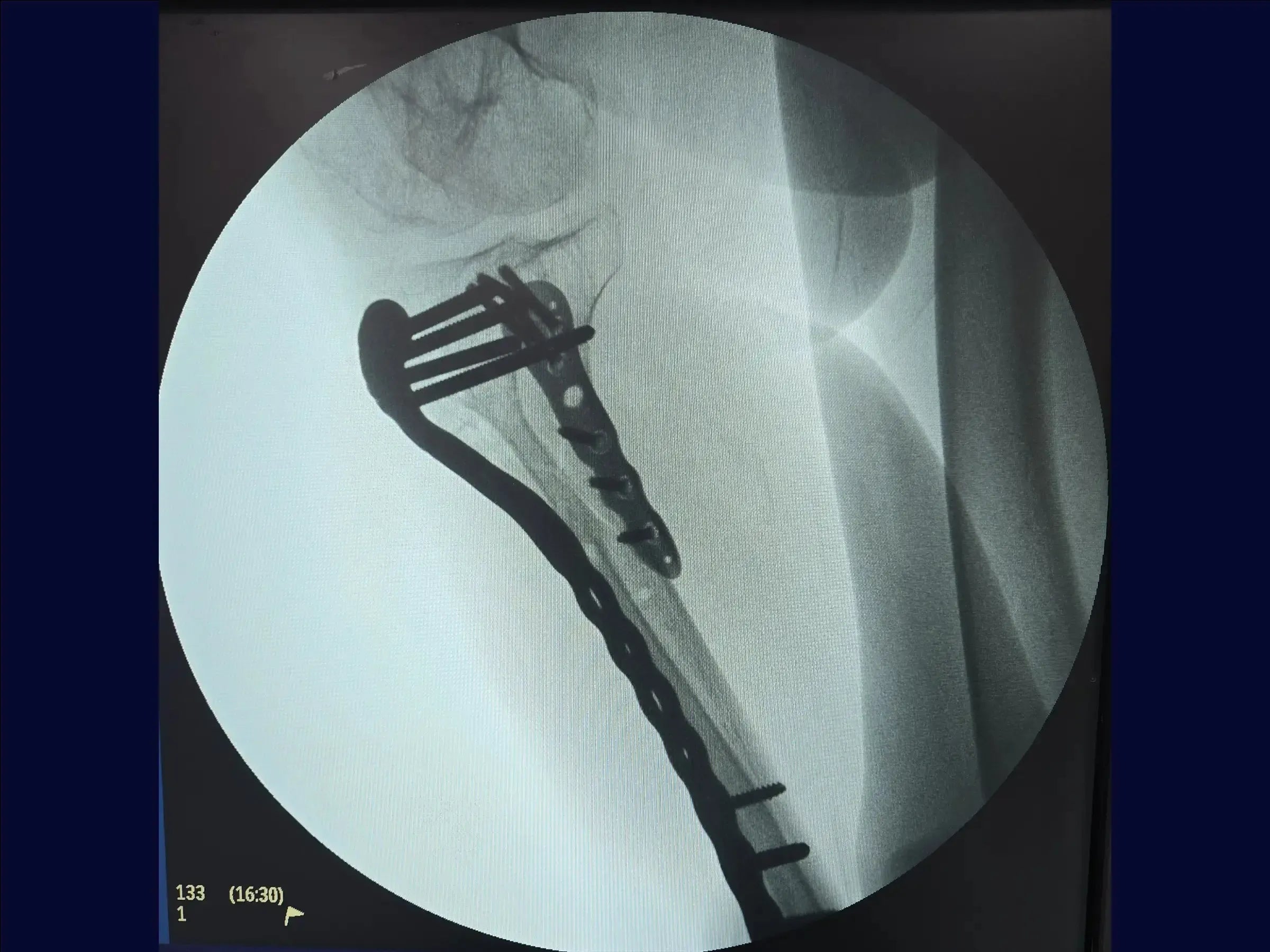
- Lateral approach with a pre-contoured bridging plate.
- Minimally invasive technique with tissue preservation.
- Strategies for osteopenic bones and early post-operative mobility.
Detailed Content:
- Image-Guided Skin Marking: Precise positioning of surgical approaches.
- Medial Anti-Shear Fixation: Anatomical fibular plate with multiple proximal screws for alignment and indirect reduction.
- Anatomical Reduction with Tissue Preservation: Full skin access without "funnel" formation and minimally invasive manipulation.
- Lateral Bridging Plate Implantation: Submuscular tunnel technique using a dissector and digital palpation to avoid intramuscular insertion.
- Plate Contouring for Tibial Curvature: Customized adaptation with a table bender to avoid prominences.
- Stable Fixation with Cortical and Locking Screws: Strategic combination for torque, stability, and load distribution.
- Minimally Invasive Surgery with Two-Column Fixation: Anatomical reduction and biomechanical stability for low-density bones.
Included Material:
- Detailed PDF: The complementary PDF material provides a complete and objective summary of the procedure, including all surgical steps, from pre-operative planning to closure. It describes the landmarks for skin marking, the types of plates and screws used, techniques for indirect reduction and implant contouring, as well as practical guidelines for performing medial and lateral approaches with minimal tissue aggression.
Enhance your surgical precision in treating complex tibial fractures. Enroll now and master the technique of two-column fixation with a minimally invasive approach.
