
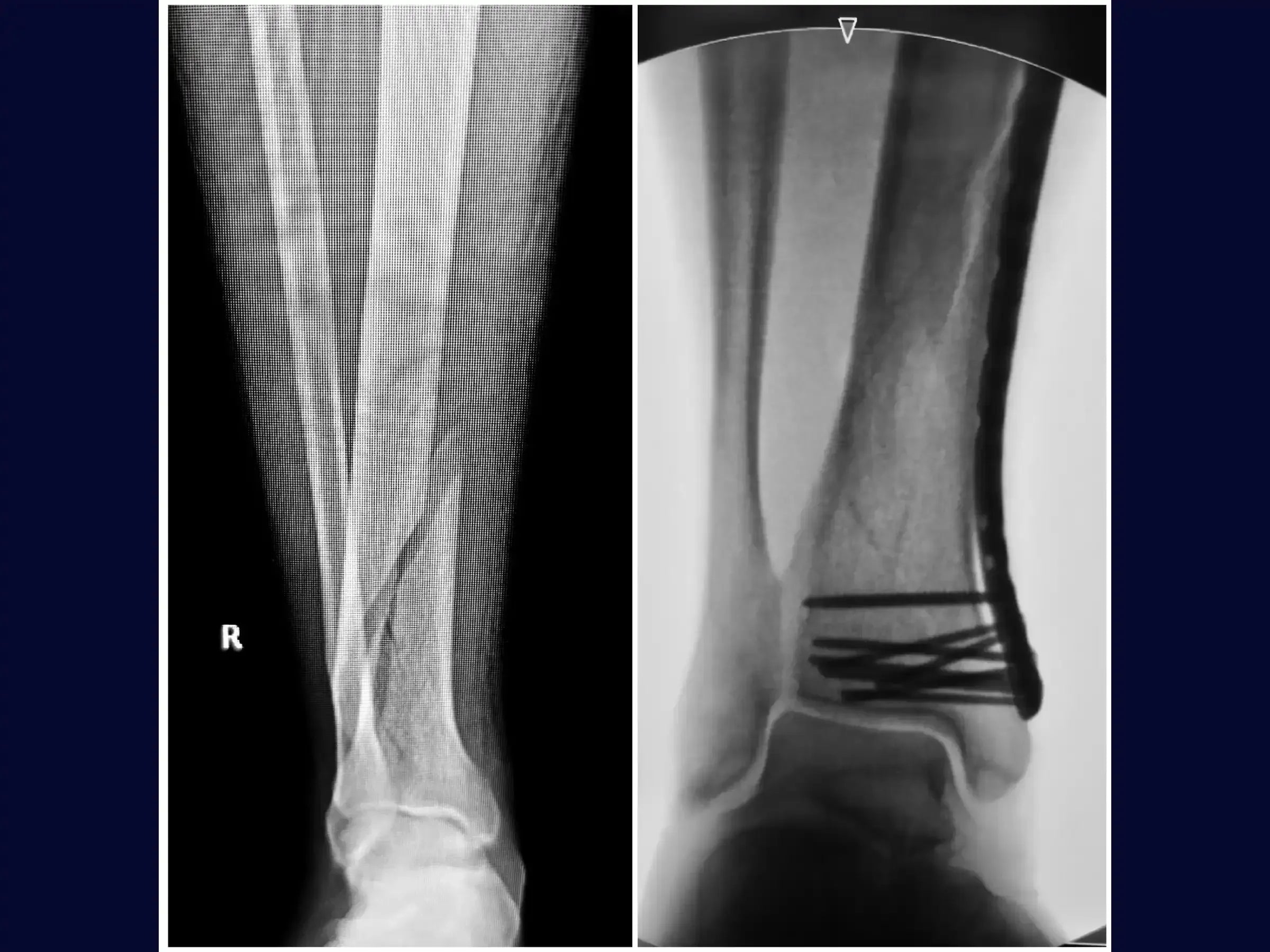
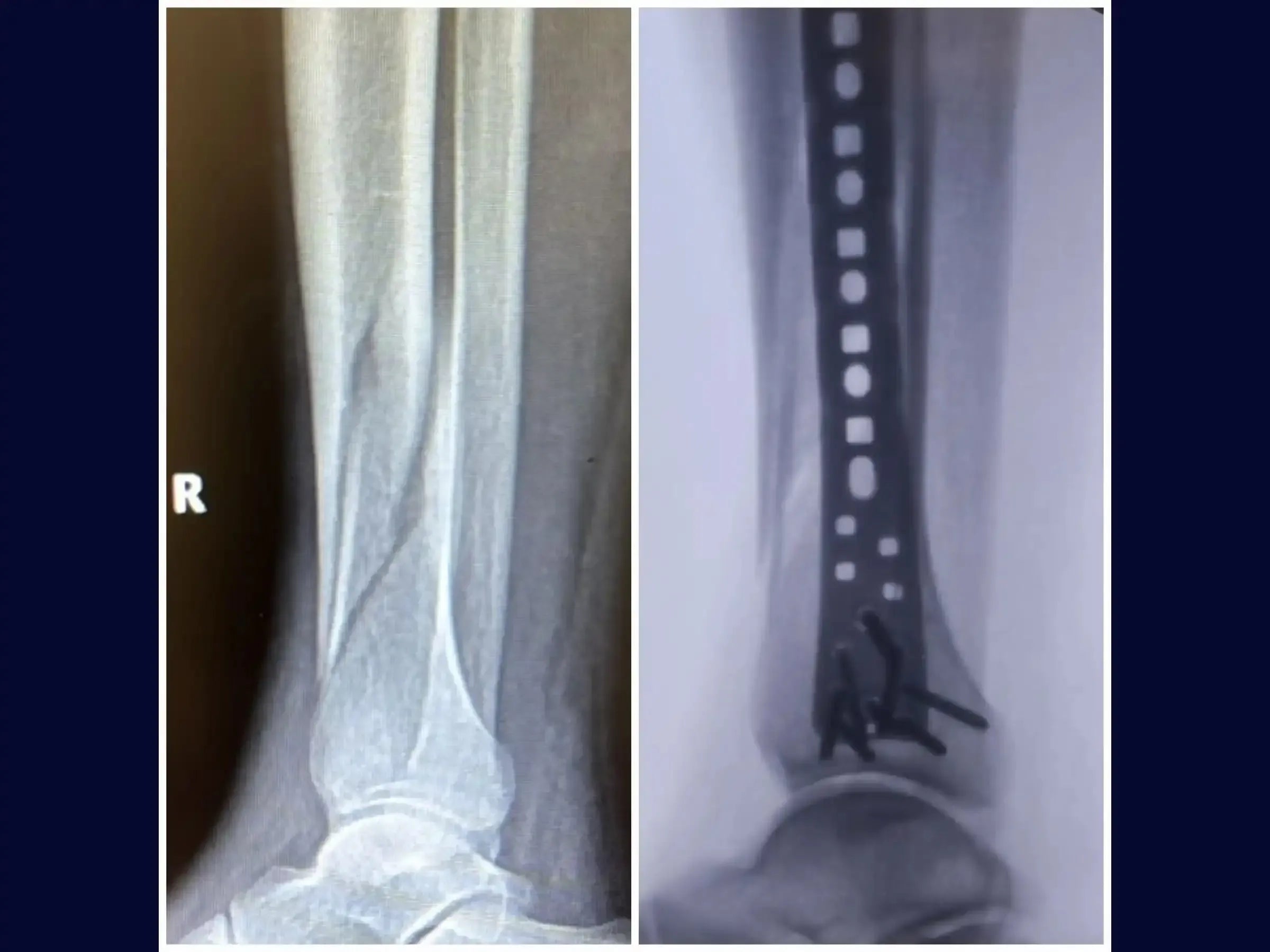
Fratura Distal da Tíbia - Tratamento com Placa Bloqueada
Refine locked plating with 4K detail for plate contour and screw control.

Dr. Savio Chami
Médico Ortopedista
Available at::









4k videos
Professional Dubbing
Escolher opções
Fratura Distal da Tíbia - Tratamento com Placa Bloqueada
Preço promocionalR$ 0,00
Preço normalR$ 599,00
Dr. Savio Chami
Médico Ortopedista
Questions & Answers loading...
Description
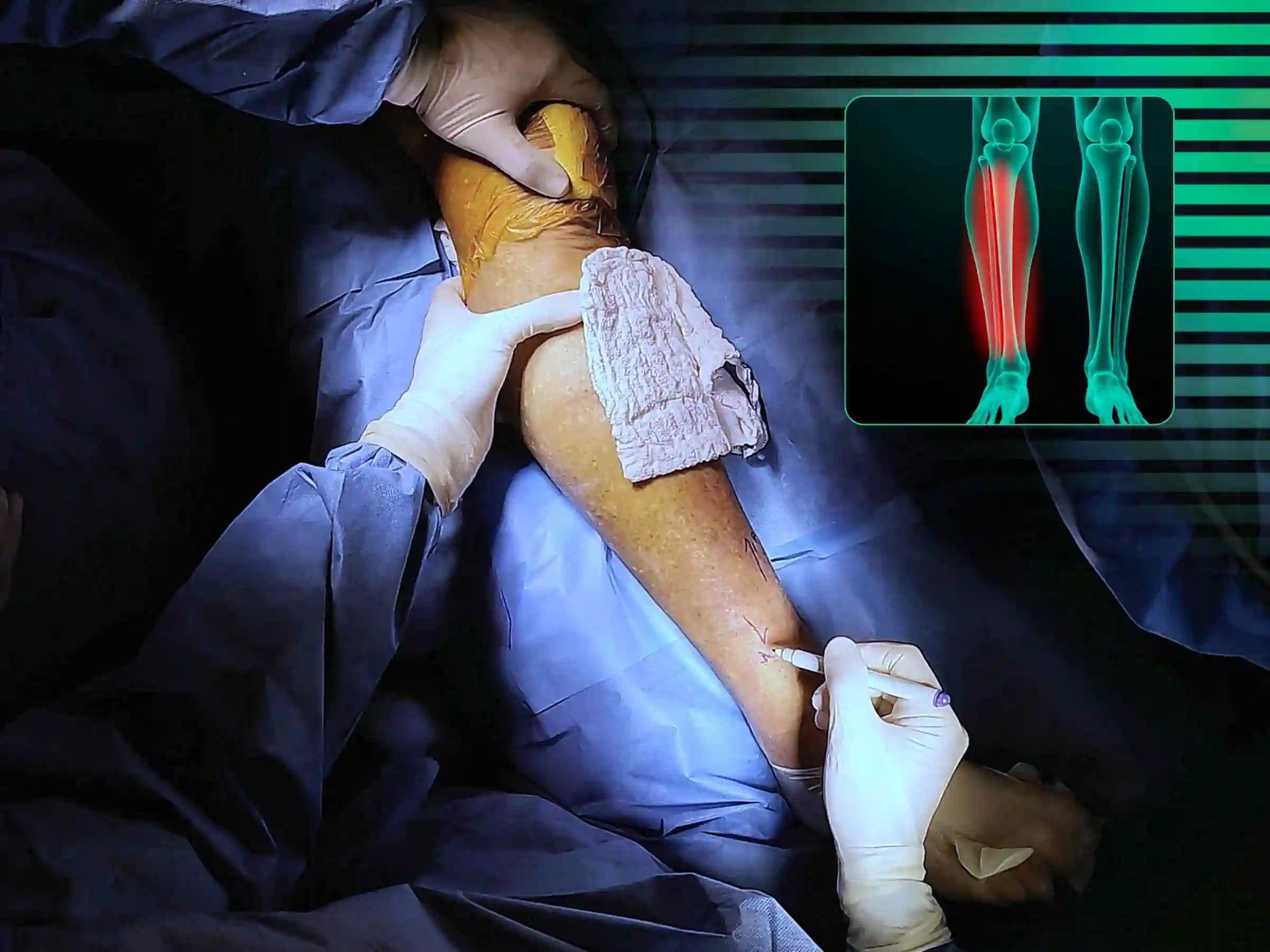
Master the treatment of tibial shaft fractures. This training offers a technical immersion in locked plate osteosynthesis via a minimally invasive approach, presented with a focus on anatomic reduction and stable fixation.
Training Focus:
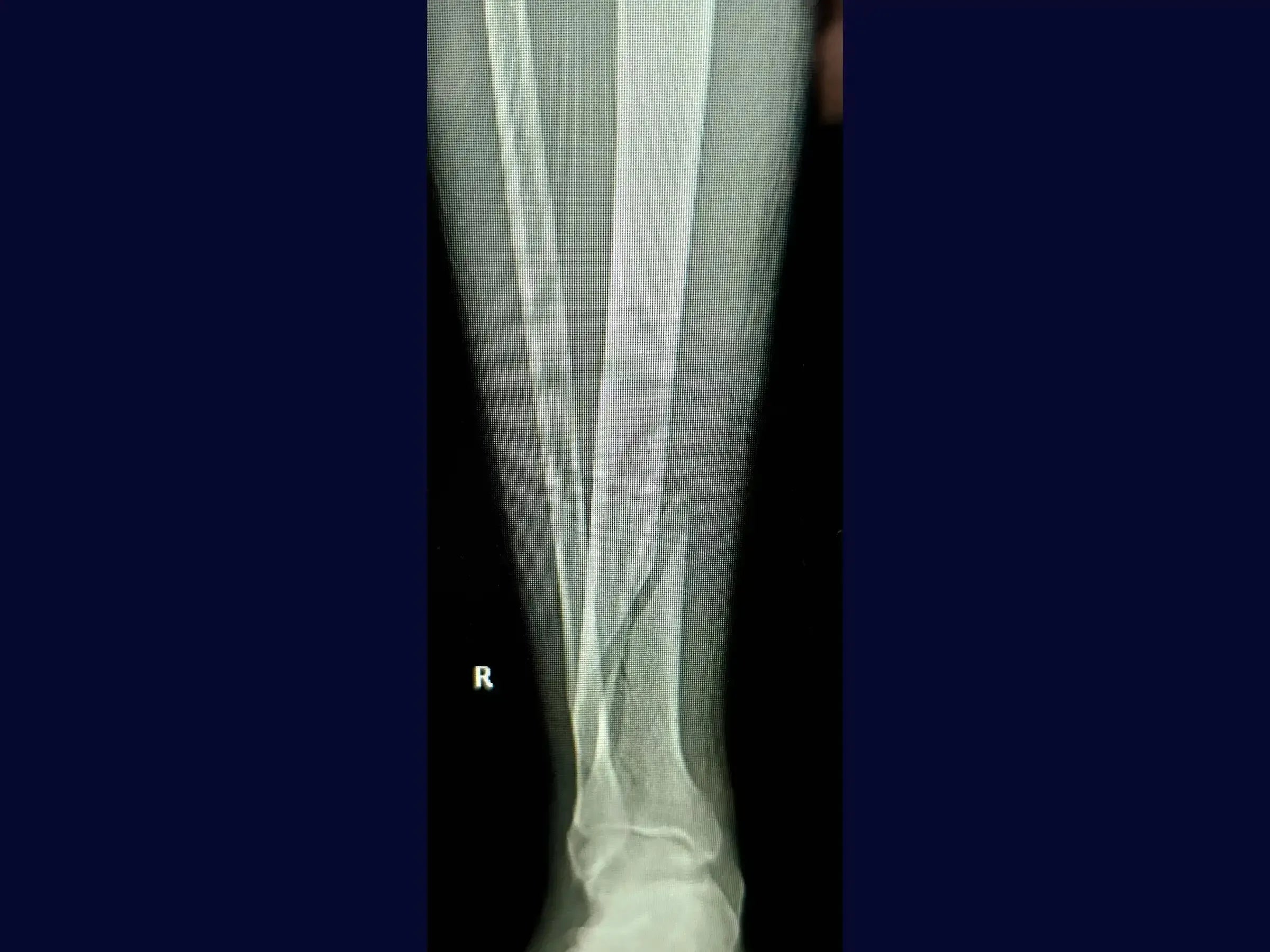
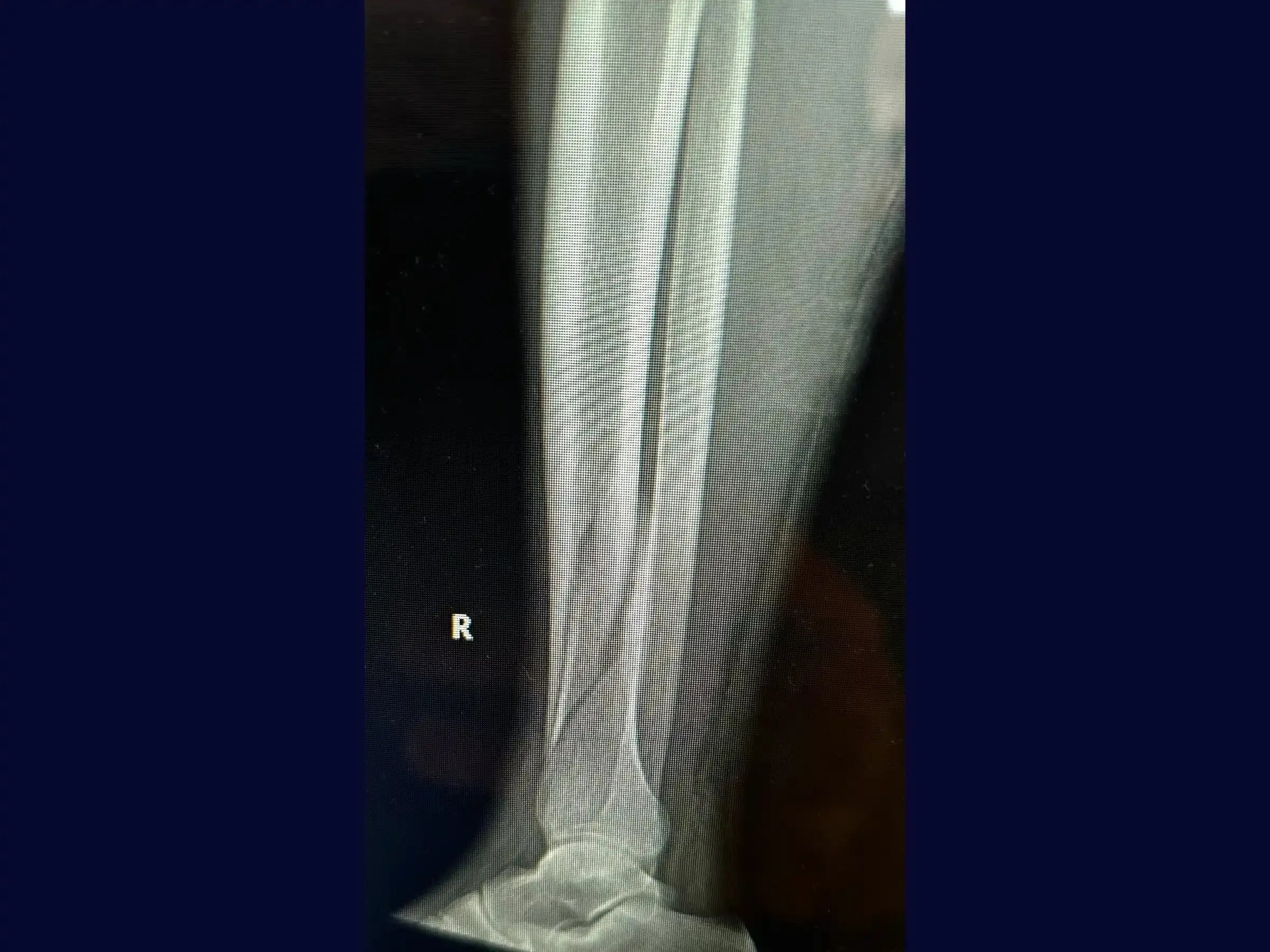
- Surgical treatment of tibial shaft fractures with long oblique and spiral patterns.
- Utilization of an anatomic locked plate.
- Minimally invasive approach.
- Preliminary and final percutaneous reduction.
- Osteosynthesis optimization.
Detailed Content:
- Optimized Preoperative Planning: Evaluation of tibial shaft fractures and associated fibular fractures using X-ray and computed tomography for precise planning.
- Minimally Invasive Access: Creation of skin portals guided by a surgical marker and image intensifier for the introduction of percutaneous reduction clamps.
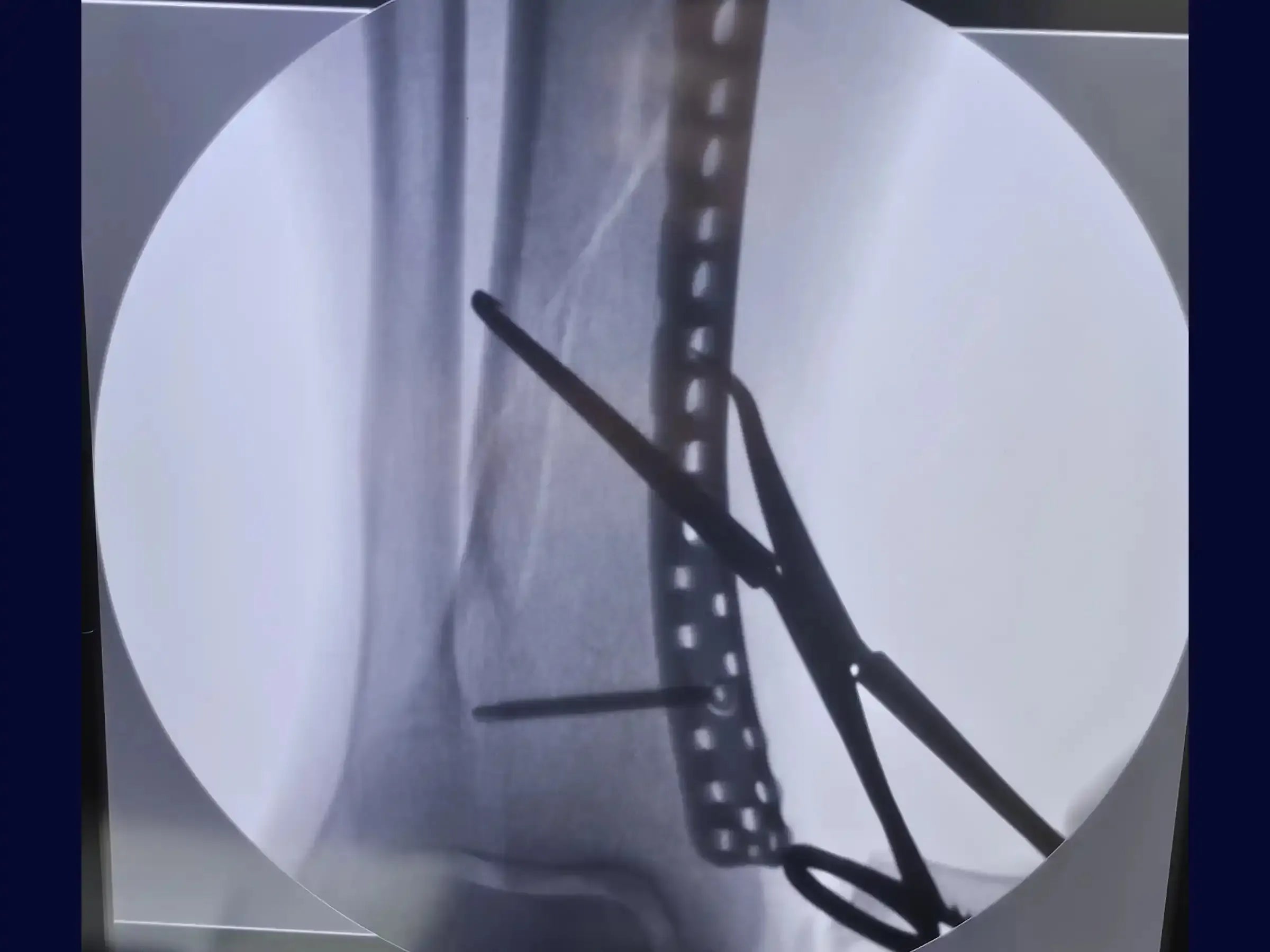
- Safe Percutaneous Reduction: Methodology for achieving preliminary and final percutaneous reduction with reduction clamps, including ankle traction and rotational maneuvers, monitored by image intensifier.
- Tunnel Creation and Plate Insertion: Technique for creating a submuscular tunnel with a long dissector, guided by palpation, for the introduction of the anatomic locked plate which already possesses pre-fabricated anatomic curvature.
- Definitive Fixation and Osteosynthesis Optimization: Procedure for drilling and inserting distal screws into the distal tibia, with the plate positioned flush to the bone to avoid medial malleolus irritation. Insertion of an additional screw near the fracture site to optimize energy distribution and balance the osteosynthesis. Finalization with proximal screws.
- Comprehensive Final Assessment: Confirmation of anatomic reduction, sufficient number of screws, adequate positioning of the long plate, relative stability, and maintenance of external rotation similar to the contralateral side.
Included Material:
- Complete Technical PDF: Step-by-step guide to the entire procedure, from patient positioning to surgical closure.
Aprimore suas habilidades em cirurgia de trauma. Inscreva-se agora e domine técnicas avançadas no tratamento de fraturas do eixo tibial.
