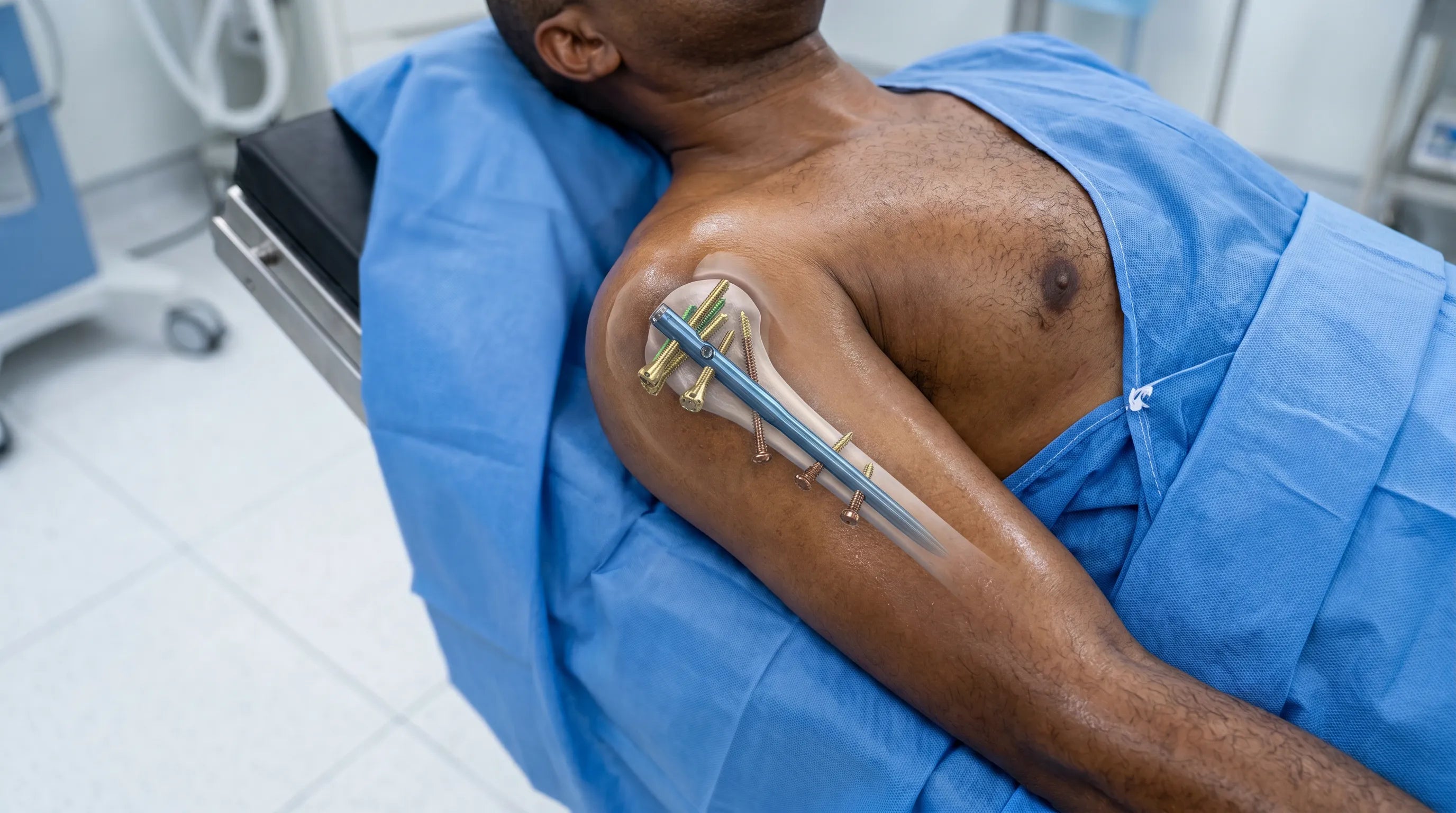

The Learning Curve in the Sniper™ Method: How to Reduce Surgical Time in Complex Fractures
In modern orthopedics, efficiency in the operating room is not just a matter of convenience; it is a decisive factor for clinical success and patient safety. Complex fractures demand quick decisions, millimeter precision, and a technical mastery that traditionally took years to consolidate. However, the emergence of the Sniper™ Method (Surgical Narrative & Immersive Perspective with Enhanced Recording) is redefining this trajectory.
In this article, we explore how the immersive approach developed by Dr. Sávio Chami shortens the learning curve and optimizes surgical time through refined technical preparation.
The Challenge of the Traditional Learning Curve
The training of an orthopedic surgeon has historically been based on the "see one, do one, teach one" model. However, in cases of bone reconstruction and high-energy trauma, the observer's "vision" is often limited. Being next to the operating table does not guarantee the same perspective as the lead surgeon, obscuring crucial details of hand positioning, tissue tension, and angles of attack.
"True mastery comes not just from repeating the act, but from understanding the invisible logic behind each movement."
This perception gap prolongs the learning curve, resulting in longer procedures and greater radiation exposure (fluoroscopy) during the initial phases of professional autonomy.
The Pillars of the Sniper™ Method in Reducing Surgical Time
The Sniper™ Method tackles surgical inefficiency through five pillars that transform passive observation into active mental training.
1. POV (Point of View) Perspective
By capturing the procedure exactly through the surgeon's eyes, the method eliminates spatial distortion. The student learns the correct instrument positioning and the real anatomical relationship, which reduces intraoperative hesitation — one of the biggest "time robbers" in complex surgeries.
2. Structured Technical Narrative
Unlike raw surgical videos, the Sniper™ Method uses a pedagogical narrative. Every decision is justified in real-time. Understanding the why of a reduction maneuver (like the Seesaw Maneuver) allows the surgeon to execute it confidently on the first attempt, avoiding multiple guide wire passes or implant repositioning.
3. Pedagogical Visual Elements
The use of arrows, zooms, and anatomical overlays during technical editing highlights what is essential. In a multifragmentary tibial pilon fracture, for example, the method guides the eye to the "key piece" of reconstruction, teaching the surgeon to prioritize steps and reduce open table time.
Practical Impact: Less Radiation, More Precision
Measurable surgical efficiency through the Sniper™ Method is reflected in:
- Less use of Image Intensifier: By mastering the guided technique, the surgeon needs fewer X-ray shots to confirm positioning.
- Anticipation of Complications: The immersive narrative exposes the "expert's tricks" for dealing with unforeseen difficulties, preventing surgical time from getting out of control.
- Standardization of Conducts: The method offers a logical and replicable workflow, allowing the surgical team to work in harmony, anticipating the next steps of the procedure.
Conclusion: The Future of Teaching is Immersive
Reducing the learning curve does not mean "skipping steps," but rather making them more efficient. The Sniper™ Method offers the surgeon the opportunity to "mentally operate" dozens of times even before making the first incision.
For the professional seeking excellence in bone reconstruction, mastering this methodology is the shortest path to transforming complex cases into predictable, fast, and safe procedures.
Want to see the Sniper™ Method in action? Watch our training sessions and see the difference that the POV perspective can make in your daily practice.